


PoC, Prototype or MVP:
Choosing the Right Starting Point
Each option answers a different question, so the right starting point depends on what you need to prove first.


Intelligence built into your products and operations. Consulting, custom models, agents, and copilots designed around how your business actually runs.

The AI-native system behind every project.
Get AI ConsultationAI Services
Generative AI Services
Machine Learning Services
Company
Comprehensive App & Software Development across 20+ industries







A future-focused tech partner building, shipping, and scaling products for some of the world's most demanding companies.
View All Case StudiesAppVerticals helps startups and businesses turn ideas into scalable digital products, with MVP development services designed to help founders validate ideas before they scale. As an experienced MVP development company, we put your core idea in front of real users fast, measure how they respond, and generate the traction data investors look for at the pre-seed or seed stage.
Featured In





Founders ask us about these four numbers first.
300+
MVPs launched for founders and growing businesses
$200M+
Raised by clients after launching their MVP with us
8 to 12
From kickoff to a live lean MVP
100%
Milestone-based pricing
Clutch


20k+ growth community




An MVP (minimum viable product) is the first working version of your product, with only the features needed to test demand with real users. In software development, an MVP answers one question before you fund the full build: will people use it and pay for it? Our minimum viable product development services get you that answer on a lean budget.
Each option answers a different question, so the right starting point depends on what you need to prove first.
| Option | What it is | The question it answers | Choose it when |
|---|---|---|---|
| Proof of Concept (PoC) | A small technical build that tests whether a core feature or technology works. | Can this be built? | Your idea relies on new technology, such as an AI model, a hardware integration or a complex algorithm. |
| Prototype | A clickable model of the main screens and user flows, with no working back end. | Will users understand and want it? | You need to test the experience with users or show investors the product before building it. |
| MVP | A working product with only the essential features, released to real users. | Will people use it and pay for it? | You are ready to launch, collect usage data and raise your next round. |
Our MVP software development services cover web, mobile and SaaS products. Each one ends in a deliverable you can test with users or show investors.
You leave with a clear MVP roadmap: your core assumption, target users, success metric and
the feature list for release one. Use it to align cofounders, brief investors and keep the build
focused.

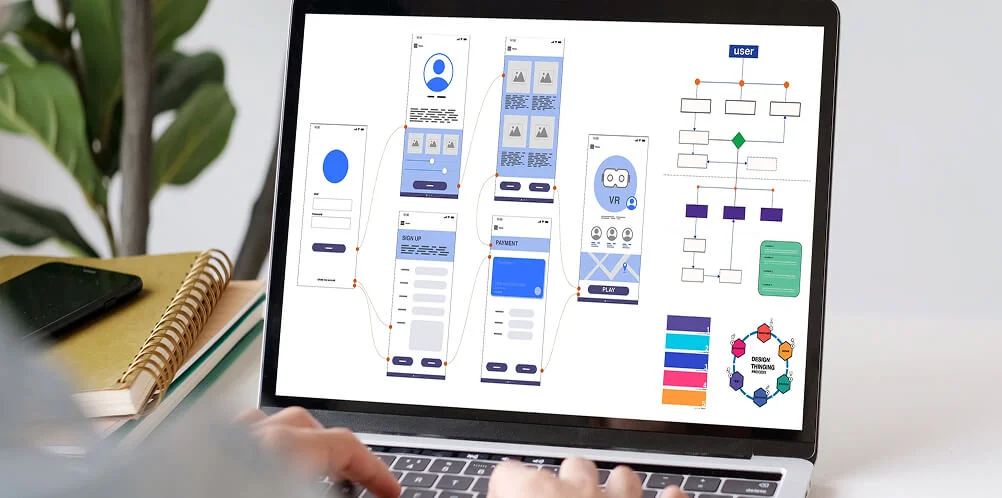
We turn the roadmap into a clickable prototype of your core flow and put it in front of target
users before production code starts. You get their feedback, the fixes it led to and a design your
developers can build with confidence.
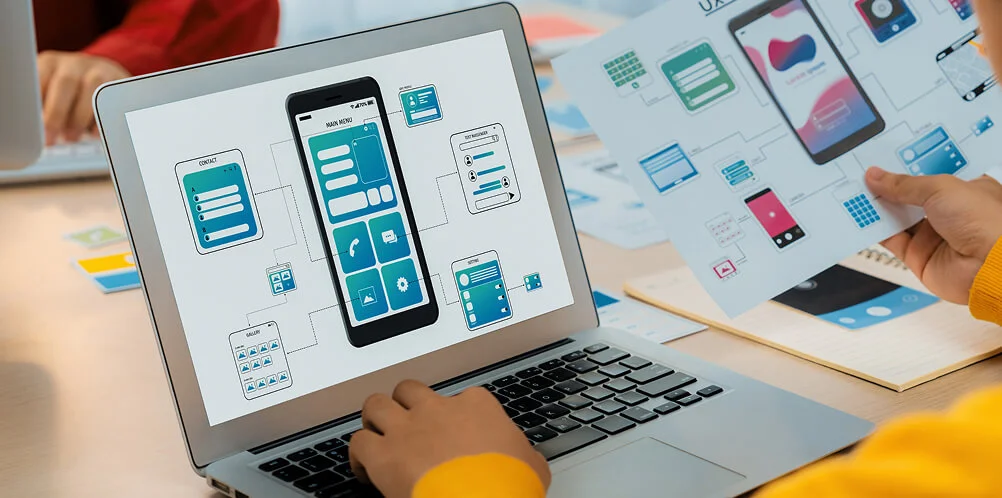
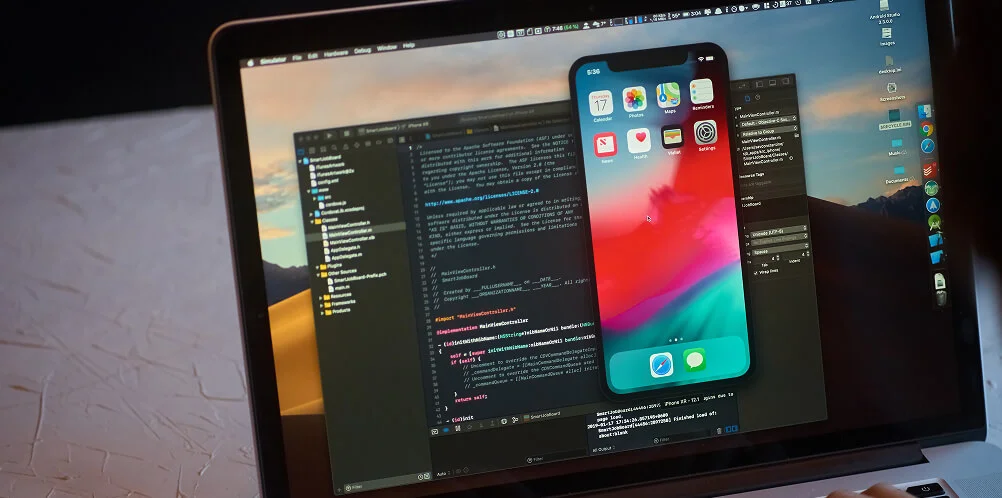
We build the essential features for web, iOS, Android and SaaS products on an architecture
ready to scale. As an MVP app development company, we ship cross-platform builds in React
Native or Flutter when one codebase saves you time and budget.
Add the AI feature your product depends on, such as an assistant that answers from your own
data, a recommendation engine or generated content. You test it with real users in release one,
and we expand it once usage proves its value.
After launch, we read the usage data with you and ship the releases it supports. When traction
arrives, we strengthen the backend for growth and help you turn the numbers into an investor
story.

Our process stays the same for every client: learn from real users as early as possible. The starting point changes with your stage.
01
MVP development for startups begins with the one problem users will pay to solve. We scope your first release around it, launch it to early adopters and build the traction story for your pre- seed or seed round.
02
You want to test a new product line or digital service before committing a full budget. We build a lean version, measure real usage and scale the parts your customers adopt.
03
Your team needs to prove a concept quickly and inside your security rules. We deliver pilots under ISO 27001 controls that connect to your existing systems and grow into production software.
We anchor every step to one core assumption. Each step moves your idea closer to evidence from real users, so your full budget goes only to features users prove they want.
We start by naming the one assumption your business depends on, the user it serves and the metric that proves it. Market and competitor research sharpens that hypothesis. Output: an MVP roadmap with your success metric.
Every feature on your wishlist faces one test: does it help prove the core assumption? Essential features make the first release, and everything else waits in a backlog for later releases. Output: a locked scope for release one.
Before production code starts, target users click through a prototype of your core flow. Their feedback shows which screens to fix while changes still take hours. Output: a tested user flow, ready to build.
We build the essential features in short agile sprints, on an architecture ready to scale once users prove demand. Analytics go live from day one. Output: a working MVP that tracks every key action.
Your MVP goes live to a controlled group of early adopters through TestFlight, Google Play testing tracks or a private web beta. QA runs alongside the beta. Output: usage data from real users.
We review activation, retention and conversion against the metric set in step one. The data tells us whether to persevere, pivot or scale. Output: a plan for the next release that follows the evidence.
We turn your launch data into the proof investors look for: traction metrics, a live demo, pitch deck support and a scaling roadmap. Output: a fundable story backed by usage.
Scope creep, surprise invoices and missed dates drain a founder’s runway. These commitments keep your build predictable from the first sprint.
We build MVPs that turn bold ideas into market-ready products. Whether it’s a disruptive startup or a fast-moving business, our portfolio showcases digital solutions built for real-world traction, rapid validation, and long-term scalability.

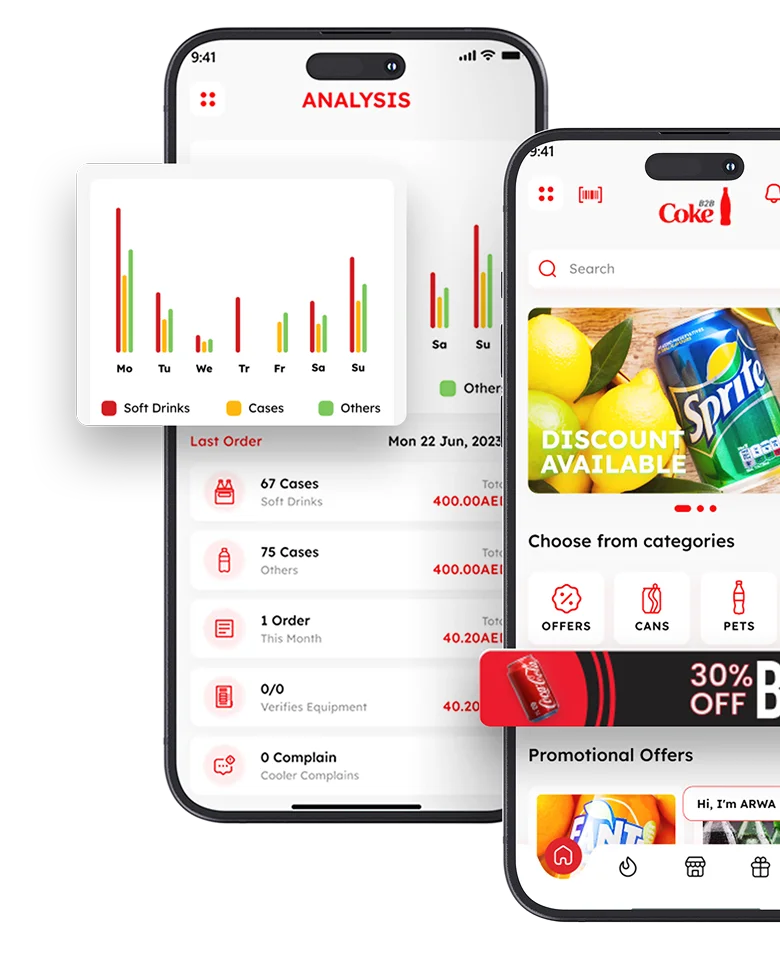
Built a mobile app for Coca-Cola to manage rewards, local promos, and repeat customer engagement — all in one place.



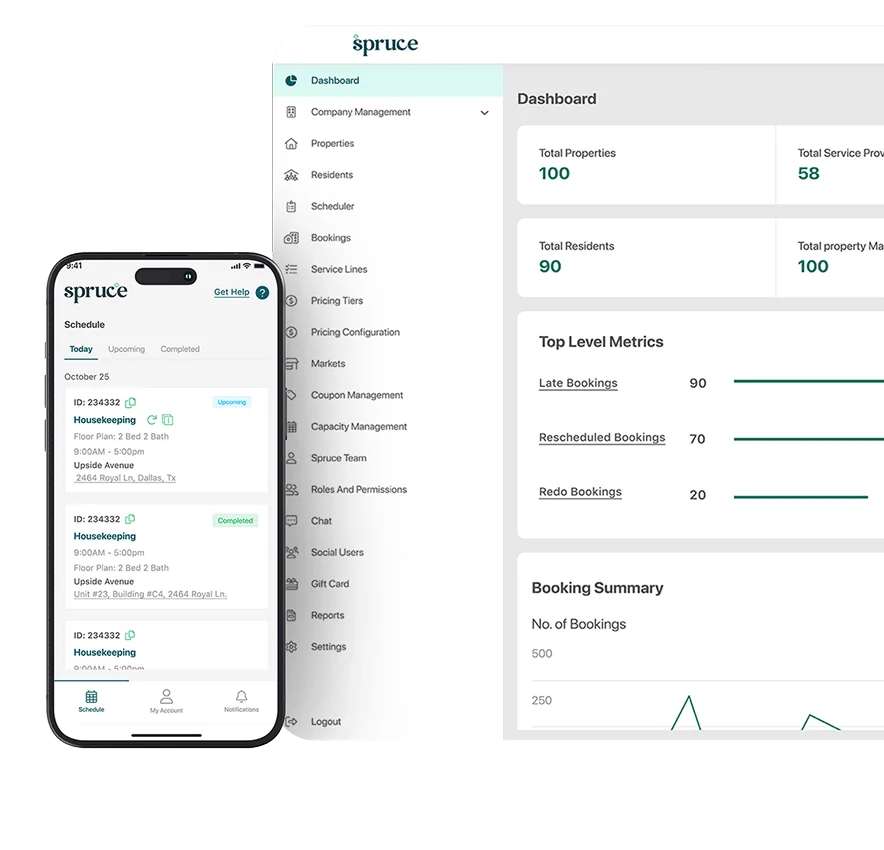
Launched a service app for residents to book cleaning, laundry, and more — no calls or front desk needed.

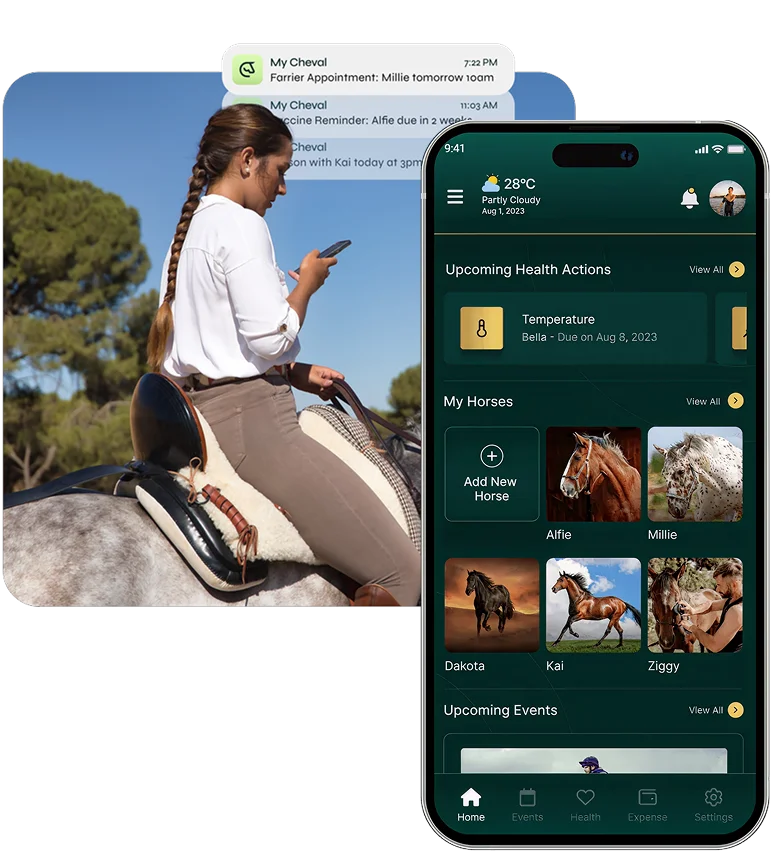
An equestrian app simplifying horse care, scheduling, health tracking, and expense management.

A unified home-services marketplace built for instant bookings and real-time provider matching.

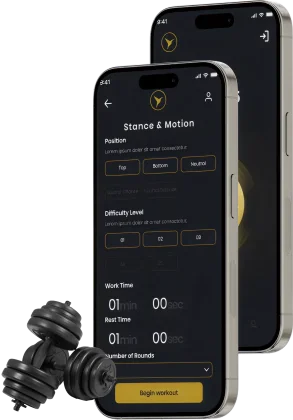
Built a real-time wrestling training platform designed for speed, accuracy, and youth athlete engagement.

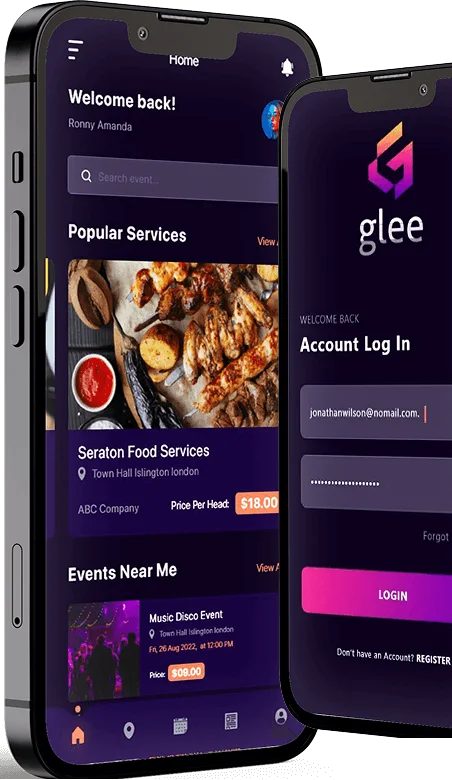
Built an event platform that connects users to global events, bookings, and real-time engagement.

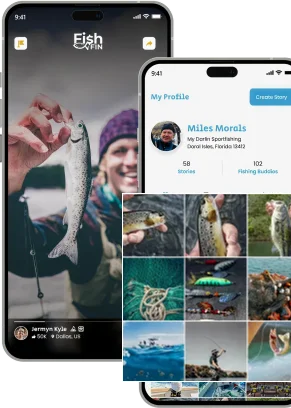
A unified fishing platform bringing anglers, guides, and gear together in one seamless experience.

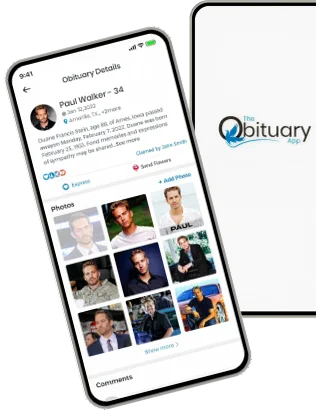
A simple, accessible obituary platform that helps users find, post, and claim obituaries in seconds.
Built a mobile app for Coca-Cola to manage rewards, local promos, and repeat customer engagement — all in one place.
Launched a service app for residents to book cleaning, laundry, and more — no calls or front desk needed.
An equestrian app simplifying horse care, scheduling, health tracking, and expense management.
A unified home-services marketplace built for instant bookings and real-time provider matching.
Built a real-time wrestling training platform designed for speed, accuracy, and youth athlete engagement.
Built an event platform that connects users to global events, bookings, and real-time engagement.
A unified fishing platform bringing anglers, guides, and gear together in one seamless experience.
A simple, accessible obituary platform that helps users find, post, and claim obituaries in seconds.
Each industry has a different first question to answer before a full build makes sense. We scope every MVP around that question and the compliance rules your market brings with it.
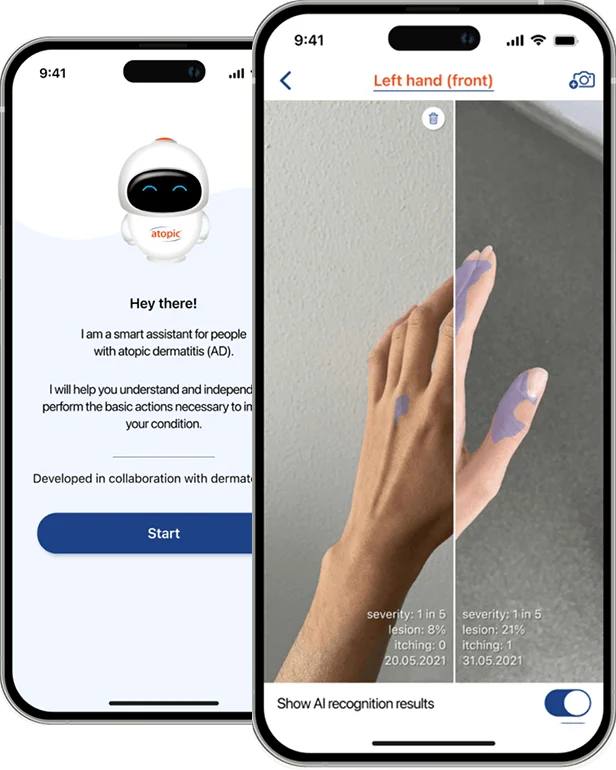
Healthcare MVPs have to prove clinical value while meeting HIPAA requirements from the first release. We scope each one around a single care workflow you can pilot with real patients and
providers.
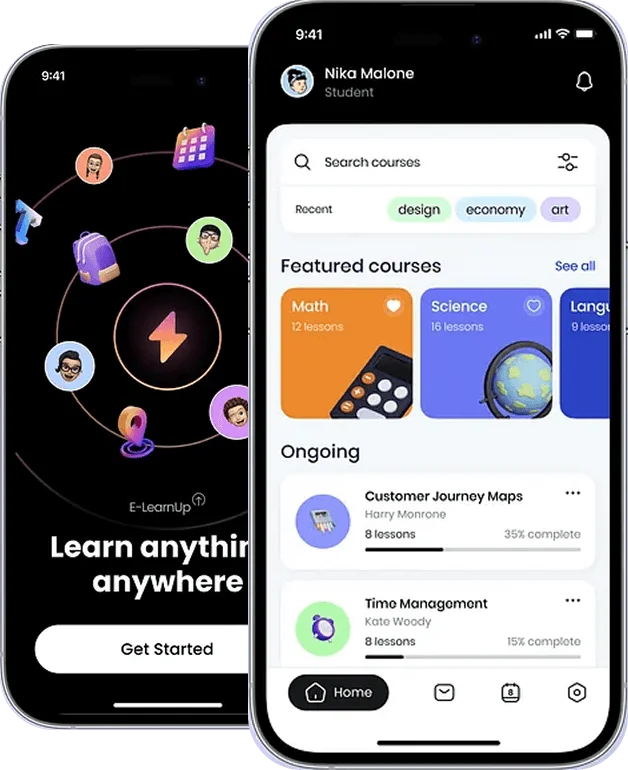
EdTech MVPs have to prove learners come back and that a parent, school or employer will pay. We build around one learning loop and measure completion from the first cohort.
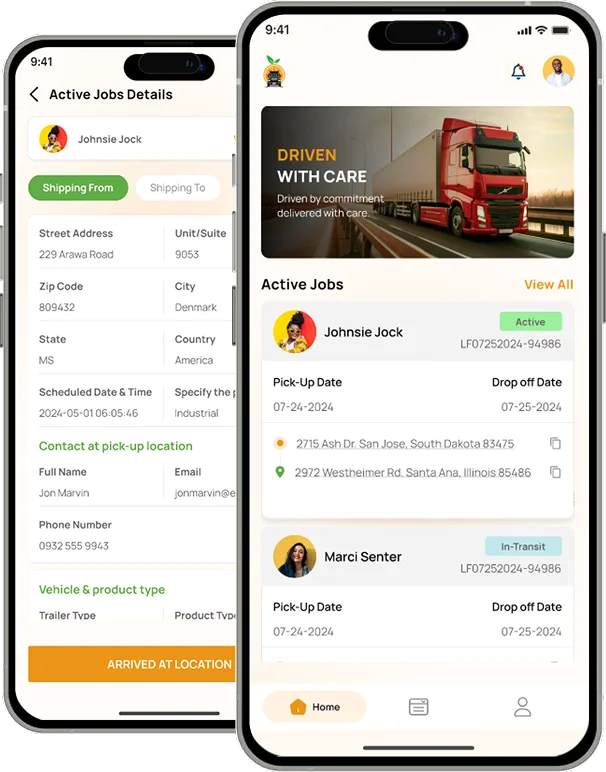
Logistics MVPs have to prove shippers, carriers or drivers will change how they work. We pilot with one fleet, one lane or one warehouse and measure adoption before scaling across the
network.
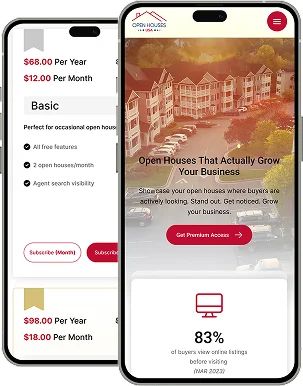
PropTech MVPs have to prove buyers, renters or property managers will switch from the tools they already use. We launch in one market or one portfolio first, then expand on proven usage.
Your MVP cost depends on the features, integrations and design depth your first release needs. Here is what founders typically invest with us.
Essential features to validate the core idea
8 to 12 weeks
Integrations such as payments or real-time chat
12 to 16 weeks
AI, analytics or IoT features
16 to 24 weeks
Work with us as a full-service MVP development agency, extend your in-house team, or hire a dedicated MVP development team. Each model runs on the same lean process.
| Full-Cycle MVP Development | MVP Team Extension | Dedicated MVP Team |
|---|---|---|
| We take your idea from discovery to a launched MVP, scoped to the features that test your core assumption | Our MVP engineers join your in-house team to get the first release out sooner | A dedicated squad builds your MVP, then stays on to iterate on feedback from real users |
| Founders without a technical team who need a working MVP for early users or an investor demo | Startups with a CTO or technical cofounder racing a launch or demo day | Funded startups planning frequent releases on the road to product-market fit |
| Managed by us, with a working build to review at every milestone | Your product lead sets priorities while our engineers work inside your sprints, repo and tools | You steer the roadmap while the team ships, measures usage and iterates |
| Product strategist, UI/UX designer, developers and QA under one project manager | React Native, Flutter, Node.js or Python engineers matched to your stack | Full-time PM, designer, developers and QA working only on your product |

JavaScript

Python

Swift
Kotlin

React Native

Flutter

Node.js

Django

Express.js

Xcode

Android Studio

Visual Studio Code

JetBrains IntelliJ IDEA

Firebase Firestore

PostgreSQL

MongoDB

AWS DynamoDB

Stripe

Twilio

Google Maps API

Auth0

JWT (JSON Web Token)
Founders choose an MVP software development company on evidence, and these five facts are ours.

01
Our teams have shipped 2,000+ products for 1,000+ clients since 2016. That history tells us which features a first release needs and which ones can wait.

02
We run every MVP under ISO 27001 controls, so user data, code and IP stay protected while you test with real users.

03
Our senior architects bring 10+ years of experience to your MVP's foundation, so a validated product grows into your full platform without a rebuild.

04
We take over unfinished builds from other vendors and get them to launch, as we did for Lulo Freight.

05
As a startup MVP development company, we explain each technical decision in plain language and turn your idea into a roadmap first.
We set out to build, scale, and make an impact. The world took notice. Featured by top media and industry leaders, and trust us—we’re just getting started.


MVP stands for minimum viable product: the first working version of your software, with only
the features needed to test demand with real users. It comes after a proof of concept or
prototype and before the full build. You use it to collect usage data, prove traction and raise
your next round.
Our MVPs typically cost $20,000 to $80,000 or more, depending on features and integrations. A
lean MVP runs $20,000 to $40,000, and a refined MVP with payments or real-time chat runs
$40,000 to $80,000. Advanced MVPs with AI, analytics or IoT start at $80,000.
A lean MVP takes 8 to 12 weeks from kickoff to launch with us. Refined MVPs take 12 to 16
weeks and advanced MVPs take 16 to 24 weeks, depending on integrations and AI features.
Discovery and prototype testing come first, so the build starts with a locked scope.
We build an MVP in seven steps, from assumption mapping to traction your investors can verify.
In between, we prioritize features, test a prototype, build lean and run a beta with early
adopters. Each step produces an output you can review, and the launch data decides whether
you persevere, pivot or scale.
Yes, for a clickable prototype. AI app builders and no-code tools let you test screens and user
flows on your own. Once the product handles payments, user data or integrations, an
engineered MVP saves you a rebuild and keeps your users' data secure.
You own all source code and IP for your MVP. We keep the code in your repository from day
one, so you hold full control when you raise, hire or scale.
Yes, when the AI feature is what you need to prove. We build AI assistants that answer from
your own data, recommendation engines and generated content into first releases. ParentPass
and Story Tree run AI features we built. We start with one feature, measure its value with real
users, then expand it.
Yes, we regularly work with first-time and non-technical founders. Our strategy phase turns your
idea into a clear feature list, user flows and a roadmap. We explain every technical decision in
plain language before we build, so you can steer the product with confidence.
Yes, we design MVPs around the traction metric investors ask about at pre-seed and seed. After
launch, we package the data into metrics, a live demo and a scaling roadmap for your pitch
deck. Our clients have raised $200M+ after launching their MVP with us.
Choose a partner with MVPs in your category, published timelines and prices, and clear terms
on code ownership. When you compare MVP development companies, ask three questions.
How do they decide what goes into release one, how often will you see working software, and
who owns the code? This page answers all three for AppVerticals.
After the MVP, you iterate on usage data until you reach product-market fit, then scale the
product and team. We read activation and retention with you, ship the releases the data
supports and strengthen the architecture for growth. When traction arrives, we help you turn it
into your next funding round.
AppVerticals has developed 2000+ apps and digital products. Our experts are ready to help you build something amazing.
Submit your details, and our team will reach out to explore how we can bring your idea to life.




1000+ brands trust AppVerticals to create high-performing digital solutions.

Founder, Real Estate Agency
They delivered a top-tier solution that’s fast, user-friendly, and packed with features tailored to the real estate industry. The team was professional, detail-oriented, and easy to work with from start to finish.

CEO, Logistics SaaS Startup
The app came together exactly how we hoped. If you're looking for a team that knows what they’re doing and respects your time, they’re a solid choice.

Head of Marketing, Al Rostamani Group
Successfully delivered the project on time and within budget. They remained flexible and cooperative with backend content organization, and their support, company culture, and client-centric approach truly stood out.








Share a few details and get a clear timeline, cost estimate, and technical roadmap, tailored to your idea.