- AI verticals
Intelligence built into your products and operations. Consulting, custom models, agents, and copilots designed around how your business actually runs.

The AI-native system behind every project.
Get AI ConsultationAI Services
Generative AI Services
Machine Learning Services
Company
- Industries
Comprehensive App & Software Development across 20+ industries
Awards & Recognitions

 All IndustriesTrusted and Recognized by


- From fast-moving startups to Fortune 500 enterprises.
A future-focused tech partner building, shipping, and scaling products for some of the world's most demanding companies.
View All Case Studies













How We Replaced "Imagine It" with "See It," and Let Customers Restyle Their Own Kitchen Before They Order
Dad Crafted Decor's AI + AR Cabinet Visualization App
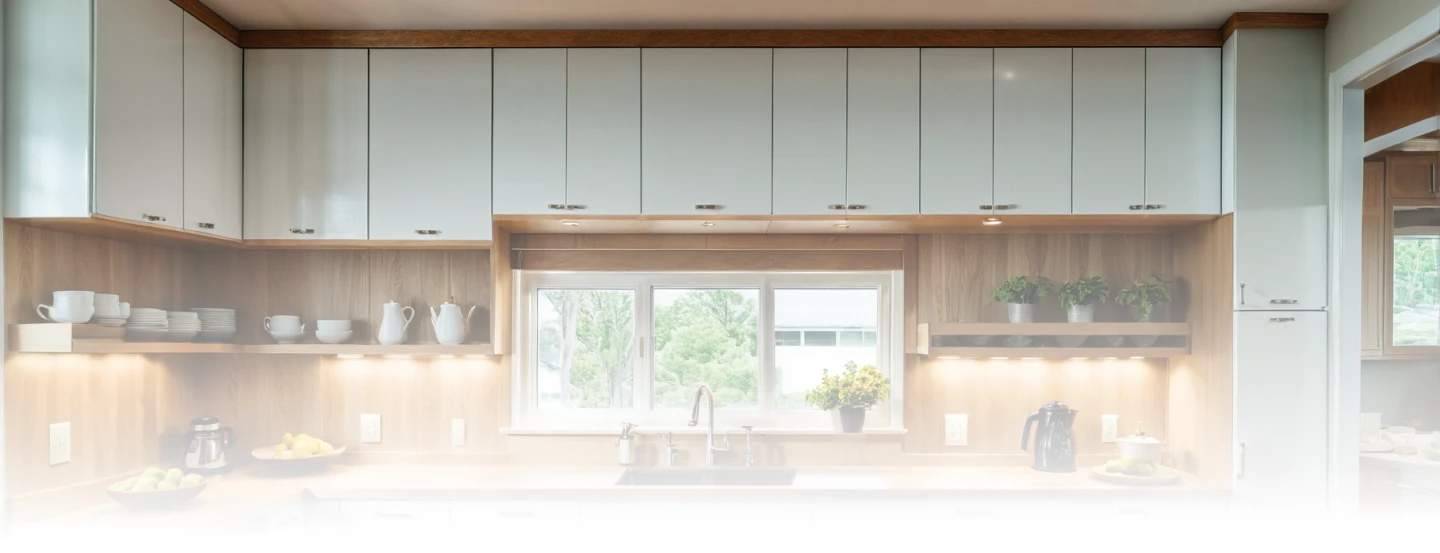
Dad Crafted Decor built its reputation on custom cabinets customers had to picture in their heads before committing. That gap, between a sample swatch and a finished kitchen, cost Jeremiah Stettler sales to hesitation, revisions, and post-install regret. We built one app where customers design a kitchen, restyle a real photo of their own with Gemini, measure the space natively with ARKit and ARCore, then browse installer portfolios, hire, and track the job to completion. Guesswork became a live preview. The buying decision now starts at home.
The Impact
A Custom Cabinet Business Whose Best Sales Pitch Lived in the Customer's Imagination
Dad Crafted Decor is a founder-led custom cabinet and kitchen-renovation business based in Salt Lake City, serving customers across the US. Jeremiah didn’t come to us for a team to build a feature list, he came for a partner who understood that his real bottleneck was a sales-and-trust problem disguised as a tech problem. Customers couldn’t commit to a renovation they couldn’t see, and no amount of swatches or showroom visits fully closed that gap.
Every Sale Started With a Leap of Faith the Customer Didn't Want to Take
A cabinet sale began with the customer looking at color chips, handle samples, and a few reference photos, then trying to imagine all of it in their own kitchen, and committing real money to that guess. Many hesitated. Others changed their minds mid-project, triggering revision cycles that ate time and margin. Some only realized the finish was wrong after it was installed. Measurement was manual and error-prone, often requiring repeat visits before anyone could build with confidence, and there was no way for a customer to start the process from home. Every hesitant prospect was a sale slowing down or slipping away, and for a custom shop, a wrong guess discovered after installation is the most expensive outcome there is.


We Made the Preview Believable First, because a Preview Nobody Trusts Is Worse than None
We recognized early that this engagement lived or died on one thing: the restyled kitchen had to look real. So we treated visualization quality as the gate everything else passed through. We first trained an in-house model on US-based kitchen imagery, but the output wasn’t convincing enough to earn a buyer’s trust, and a preview a customer doesn’t believe is worse than no preview at all. We moved to Google’s Gemini API, which gave us the realism the in-house model couldn’t, and built the kitchen-reimagination feature around it.
We knew the sequencing mattered. Before wiring up any backend, we shipped an alpha that was UI-only, so Jeremiah could sign off on the visual experience before a line of integration logic was written. With the look locked, the beta phase brought full front-end and back-end functionality together against an approved design, no expensive rework.
The hardest call was architectural. The app is hybrid Flutter for speed and shared code, but AR measurement is unforgiving: a hybrid layer doesn’t give you the control reliable dimensions demand. We built the AR modules natively, ARKit on iOS, ARCore on Android, for full control over measurement accuracy, then joined them back into the hybrid shell. Customers get one app; the measurement runs on native rails underneath.
Two Mobile Apps and an Admin Panel, Across Three Roles
The platform connects the customer, the installer, and the back office in one system.
A Phased Build, Signed Off on Looks Before a Line of Backend
We delivered with a lean team, a PM, a business analyst, three to four engineers, a designer, and QA, working in close, phased collaboration with Jeremiah as the single decision-maker. Discovery defined the two flagship capabilities; the alpha put a clickable, visual-only build in his hands for sign-off; the beta integrated the Gemini visualization layer, the native AR measurement modules, automated quoting, role-based access, and the installer and admin tooling. The genuine complexity was stitching native AR components into a hybrid Flutter application without fracturing the experience, solved by isolating measurement to native and keeping a single, consistent app surface on top.
The Renovation Is Visible Before It's Bought
Dad Crafted Decor’s customers now see their own kitchen restyled before they commit a dollar. They point a phone at their cabinets, watch the colors, textures, and handles change in real time, measure the space with native AR, then browse installer portfolios, read reviews, and hire, tracking the project from first idea through to installation, all in one app. Installers, customers, and admins work from one connected system instead of scattered tools, and automated quoting moves the order along without manual back-and-forth. The work that used to depend on imagination and repeat measurement visits now happens in a single app, and customers can start it from their own kitchen.
Testimonials
"I'd spent years trying to get customers to picture what their kitchen could be, and I was losing people right at that moment of doubt. The first time I watched someone point their phone at their own cabinets and see them change color in real time, I knew this was different. They weren't guessing anymore, they were deciding."

From "Imagine It" to "See It"
If your sale stalls because customers can't see what they're buying, that's the exact gap we built this for. We've turned "imagine it" into "see it" before.
Start a conversation