










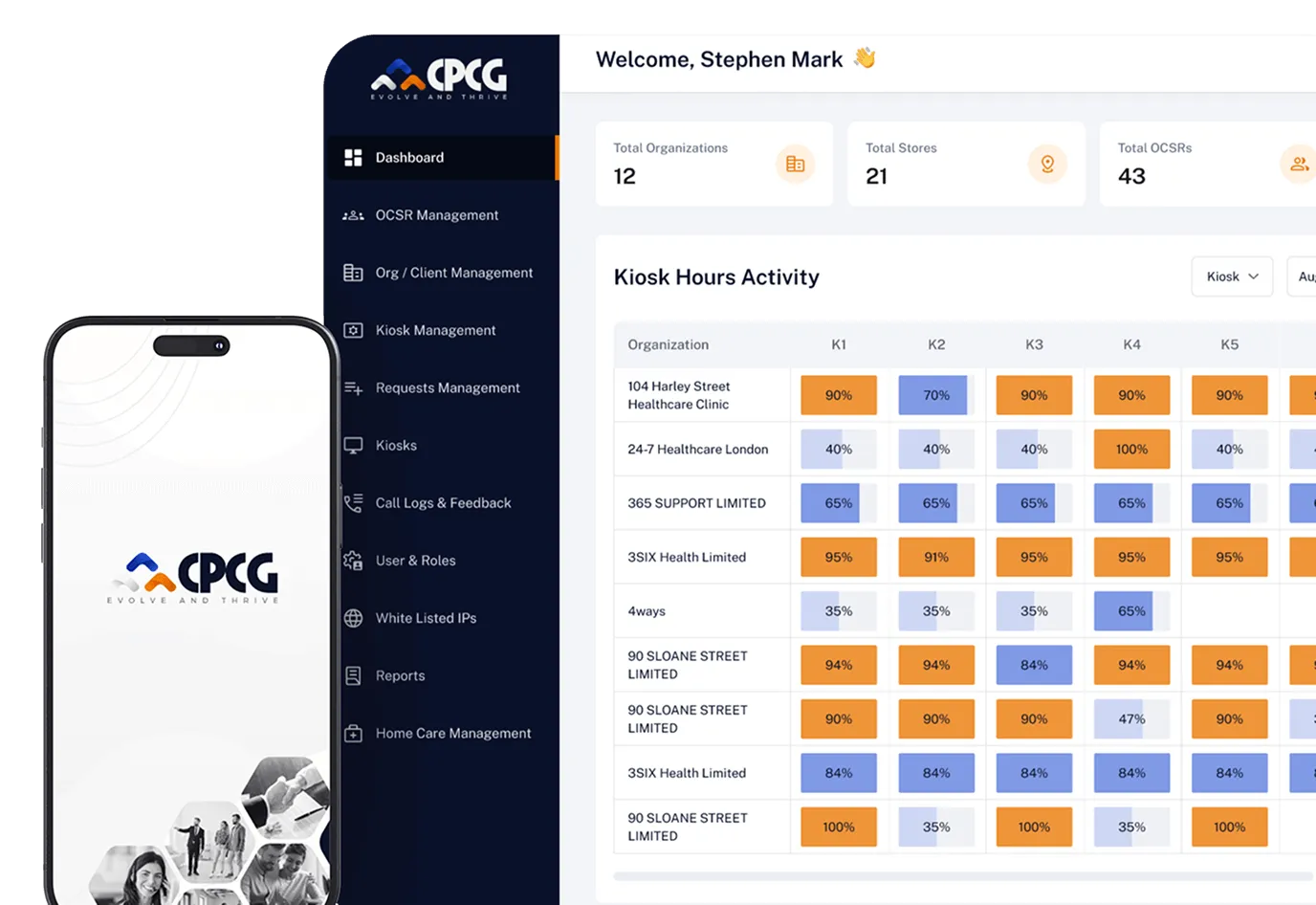
Unified project data across devices to help CPCG manage infrastructure ops more efficiently, with better visibility and fewer delays.


About Us
We're a future-focused tech partner working with some of the world's top enterprises.

 Health Tech
 EdTech
 Logistics
 Real Estate
 Ecommerce
 Sports
 Fintech
 Travel
 Restaurant
 Automotive
HIPAA-compliant digital solutions for hospitals, clinics, and healthtech startups driving better patient outcomes.
What We Do:
Scalable learning platforms for schools, universities, and EdTech startups transforming education delivery.
What We Do:
Real-time tracking and automation solutions for freight companies, warehouses, and delivery services.
What We Do:
PropTech platforms for brokerages, property managers, and real estate marketplaces are streamlining operations.
What We Do:
High-converting commerce platforms for D2C brands, retailers, and online marketplaces are driving revenue growth.
What We Do:
Fan engagement platforms for sports teams, leagues, and betting operators are creating immersive experiences.
What We Do:
PCI-DSS compliant solutions for digital banks, payment platforms, and InsurTech companies, ensuring security.
What We Do:
Booking and hospitality solutions for OTAs, hotels, and tourism platforms, enhancing traveler experiences.
What We Do:
Online ordering and operations software for restaurants, cloud kitchens, and food delivery platforms.
What We Do:
Connected vehicle platforms for automotive OEMs, dealerships, and mobility providers are accelerating innovation.
What We Do:
AppVerticals was featured in Inc. 5000 as America’s Fastest Growing Tech Company
Resources
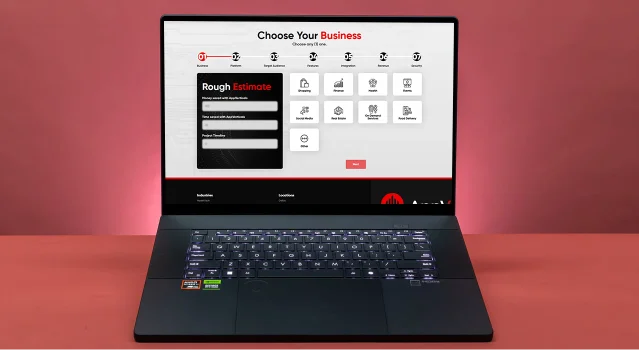
See what it might cost to bring your app idea to life. Our calculator gives you a quick, simple estimate based on what you need.
SaaS development services for startups and enterprises that can’t afford system failures or performance drops. We build SaaS products that handle increasing demand, stay stable under pressure, and remove the need for expensive rebuilds as your product grows.
Featured In





SaaS Platforms Deployed
in Operational Efficiency Gains
Third-Party Systems Integrated
Uptime and Security Compliance
These key achievements showcase our ability to build creative Saas solutions, optimize efficiency, and integrate seamlessly with critical tools.


From scaling issues to security risks, our saas developers handle the toughest challenges so your platform can thrive at every stage.
We design SaaS platforms to optimally handle increasing data loads, manage evolving feature sets, and support sustained user growth. Our custom software development company focuses on making critical system design decisions, fine-tuning data processing workflows, and building enduring infrastructure.
Early SaaS decisions directly affect long-term cost and flexibility, as usage grows. We help you avoid these risks by making informed decisions on product structure, feature prioritization, and monetization, ensuring sustainable growth.

Speed is crucial for SaaS launches, but rushing an MVP can result in costly rework. We prioritize rapid time-to-market while keeping long-term stability. This allows continuous updates without the need for expensive refactoring.

SaaS migration moves legacy systems to modern infrastructures that handle increased workloads and ensure system reliability. We manage platform transitions with strict data integrity, minimizing downtime and optimizing backend performance for long-term efficiency.

SaaS products require reliable integrations to connect various tools and automate workflows. We build integration layers using REST APIs, Webhooks, and event-driven systems like Kafka to facilitate seamless data exchange between systems and handle real-time updates.

Skipping prototyping results in misaligned features and inefficient resource allocation. We build interactive prototypes with user-centric design, realistic data integrations, and iterative feedback loops to ensure alignment with both business goals and user needs.

SaaS platforms require continuous updates to stay reliable as usage increases. We keep your product stable, secure, and responsive with ongoing monitoring and improvements.

Build a system that handles real usage, stable releases, and scaling without rework.
See how we build SaaS platforms that operate under real conditions, handle complex integrations, and support long-term product growth. Each case reflects how our approach solves system-level challenges.
Unified project data across devices to help CPCG manage infrastructure ops more efficiently, with better visibility and fewer delays.

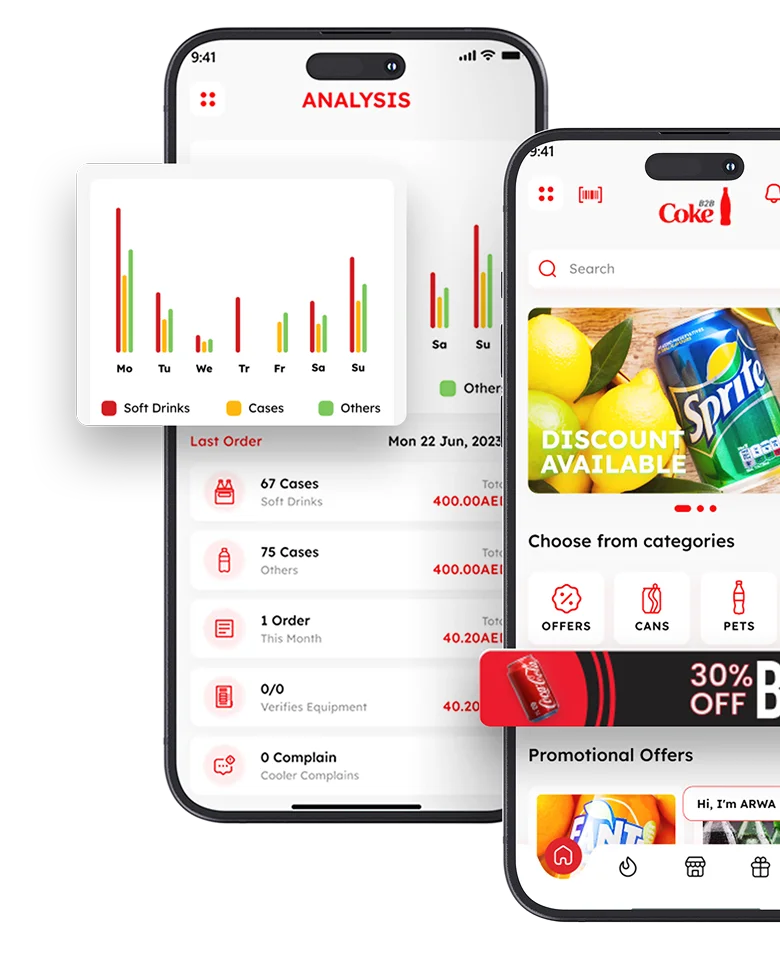
Built a mobile app for Coca-Cola to manage rewards, local promos, and repeat customer engagement — all in one place.



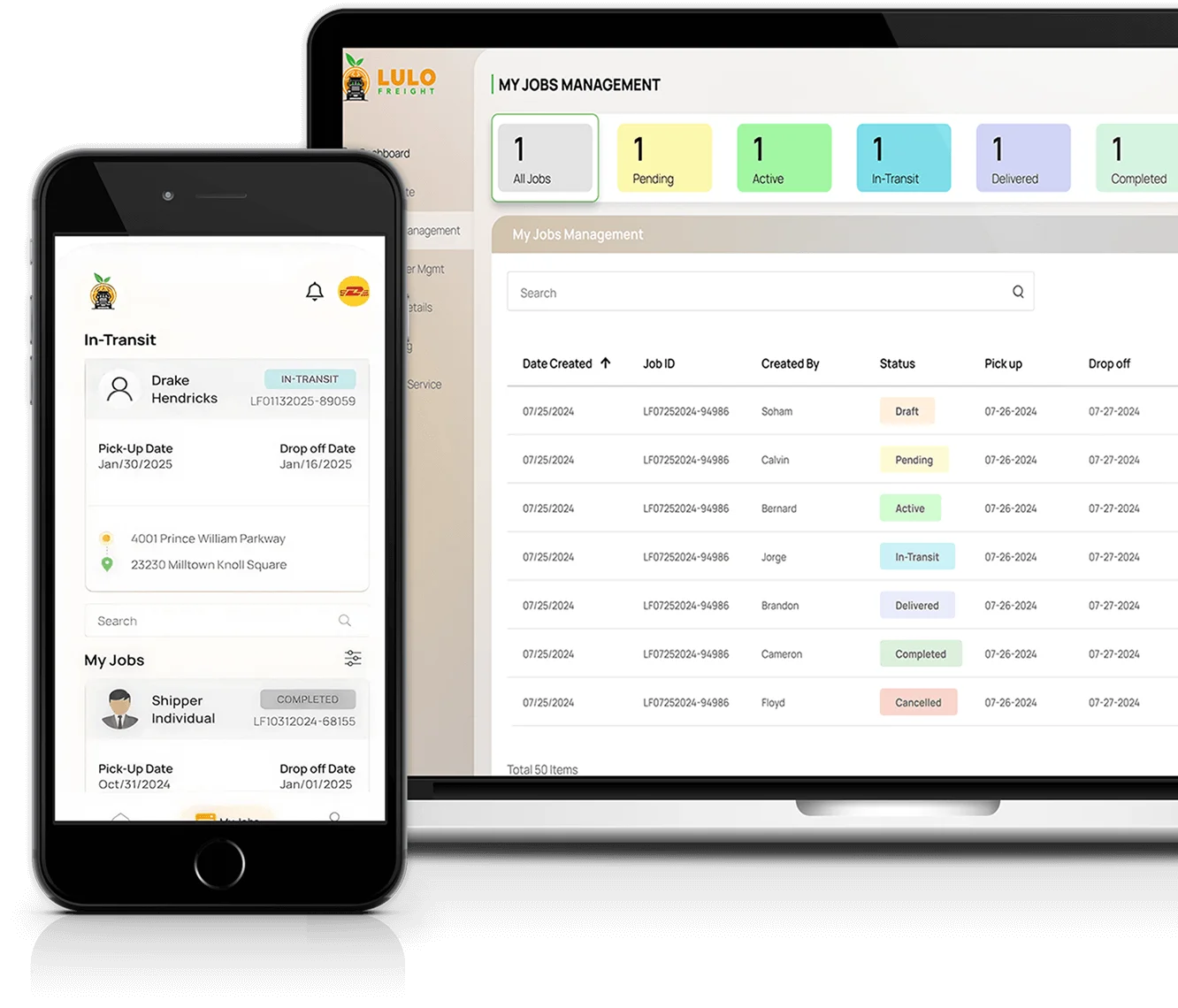
Built a unified digital freight platform that streamlined pricing, tracking, and load matching for logistics operations.

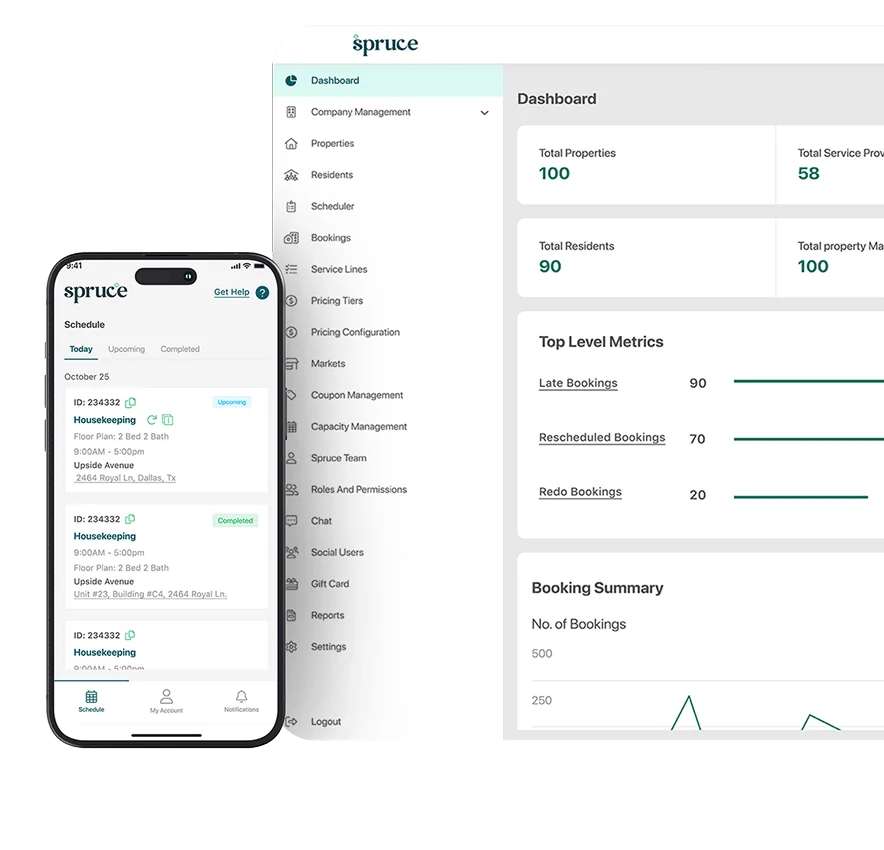
Launched a service app for residents to book cleaning, laundry, and more — no calls or front desk needed.


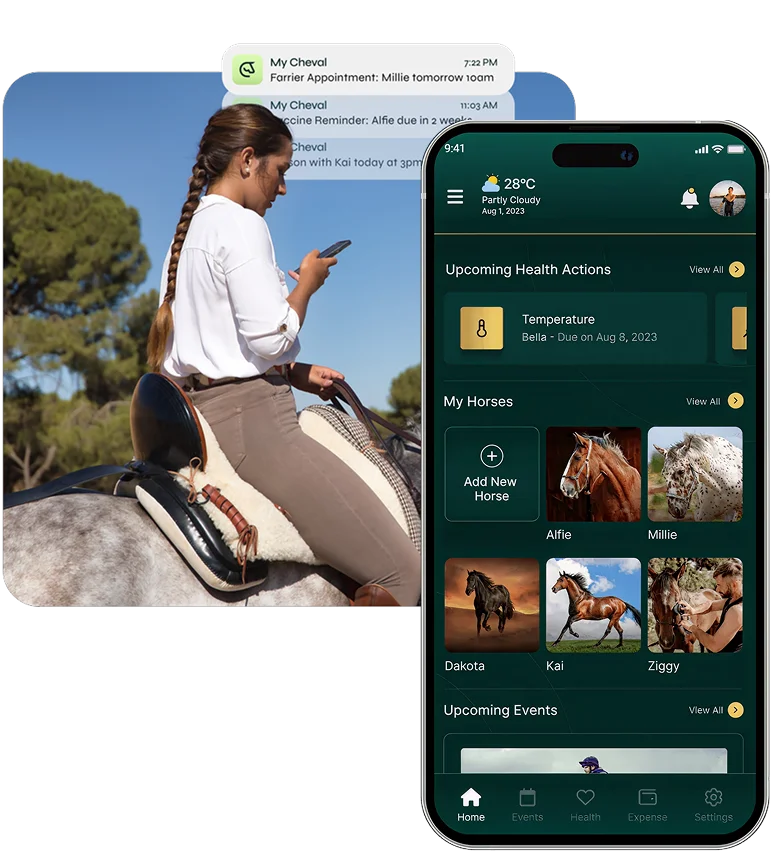
An equestrian app simplifying horse care, scheduling, health tracking, and expense management.

Built a secure digital lending platform that automated loan approvals and streamlined financial operations.
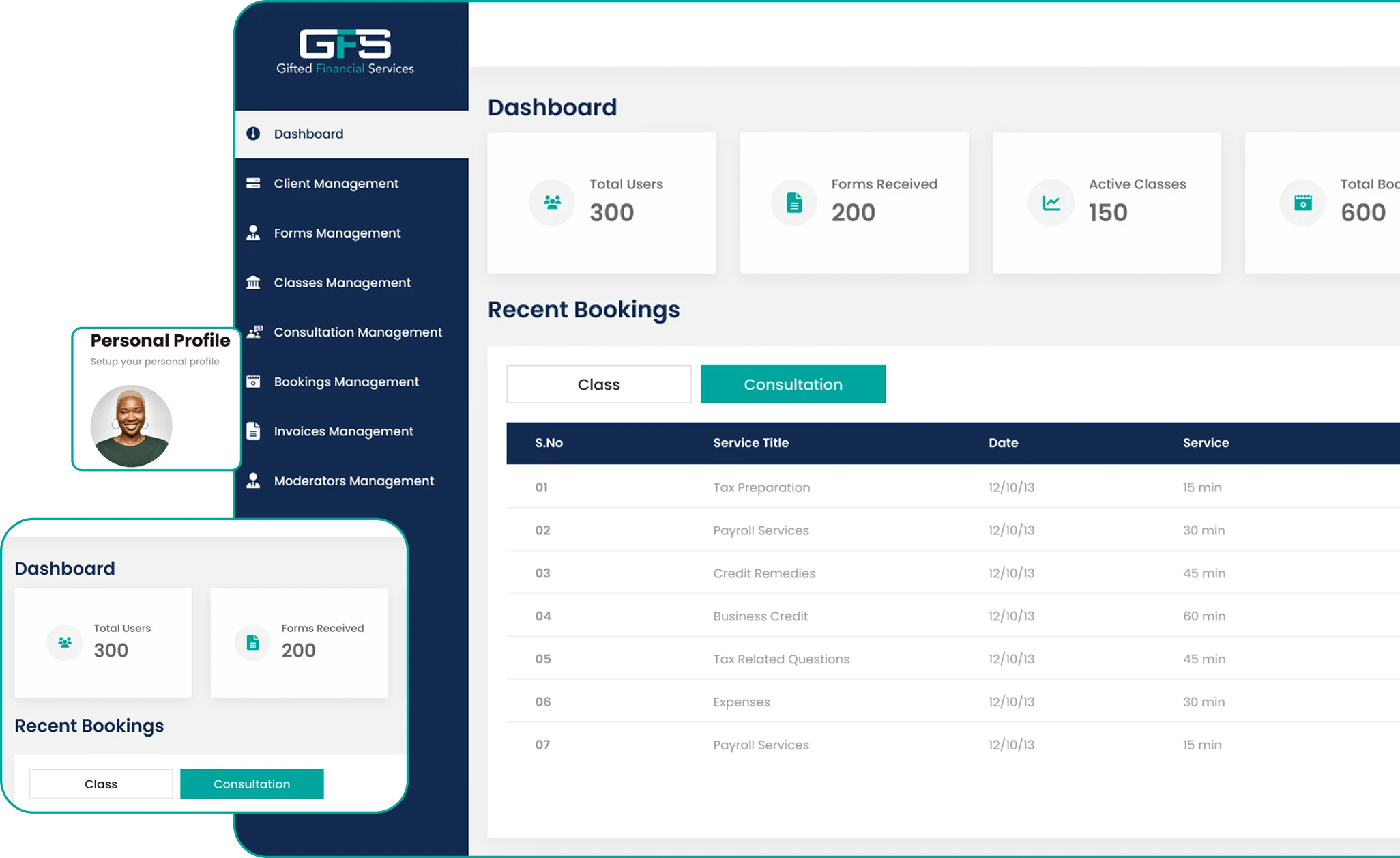

A unified home-services marketplace built for instant bookings and real-time provider matching.
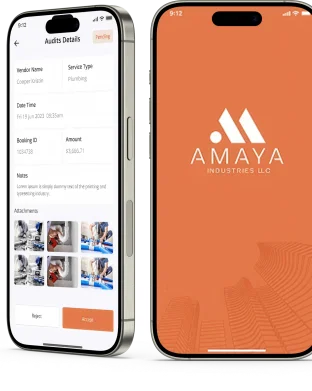
Unified project data across devices to help CPCG manage infrastructure ops more efficiently, with better visibility and fewer delays.
Built a mobile app for Coca-Cola to manage rewards, local promos, and repeat customer engagement — all in one place.
Built a unified digital freight platform that streamlined pricing, tracking, and load matching for logistics operations.
Launched a service app for residents to book cleaning, laundry, and more — no calls or front desk needed.

Streamlined EMR workflows across care and billing.
An equestrian app simplifying horse care, scheduling, health tracking, and expense management.
Built a secure digital lending platform that automated loan approvals and streamlined financial operations.
A unified home-services marketplace built for instant bookings and real-time provider matching.

React.js

Vue.js

Next.js

Angular

TypeScript

Tailwind CSS

Chakra UI

Bootstrap

Node.js

Python

Java

Ruby on Rails

.Net

Go

PHP

PostgreSQL

AWS

Google Cloud

Microsoft Azure

Kubernetes

Cloudflare

Redis

MongoDB

RESTful API

GraphQL

Stripe

Twilio

Firebase

Salesforce

0Auth 2.O

WebSockets

JWT

SSL

SOC 2

HIPAA

PCI-DSS
Our SaaS software development company follows a structured execution model focused on system design, controlled delivery, and production readiness. Each stage is designed to reduce technical risk, support evolving product requirements, and bring stability under real-world usage.

We define domain models, user roles, and system boundaries to establish a clear foundation for SaaS Software Development Services.

We design multi-tenant architecture, database schemas, and service layers to support scalability and data isolation.

We map core features, APIs, and workflows required for initial release while preserving extensibility.

We build services, APIs, and interfaces using modular architecture to support maintainability and future updates.

We implement REST/GraphQL APIs and integrate third-party systems with secure authentication and data consistency.

We validate system behavior using automated test suites, load simulation, and security audits to ensure reliability.

We deploy using CI/CD pipelines, monitor system metrics, and iterate features based on real usage patterns.
As a SaaS software development company, we build industry-specific platforms that handle real workflows, compliance needs, and operational complexity.
We build healthcare SaaS platforms that support secure data handling, patient workflows, and regulatory compliance.
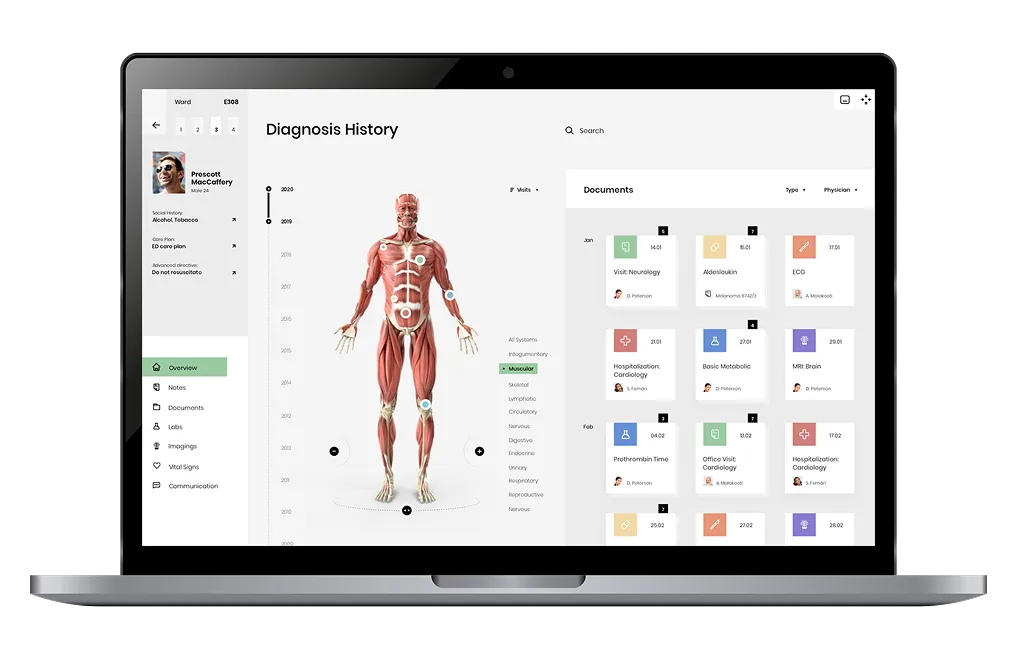
We build logistics SaaS systems that improve tracking, route planning, and supply chain visibility.
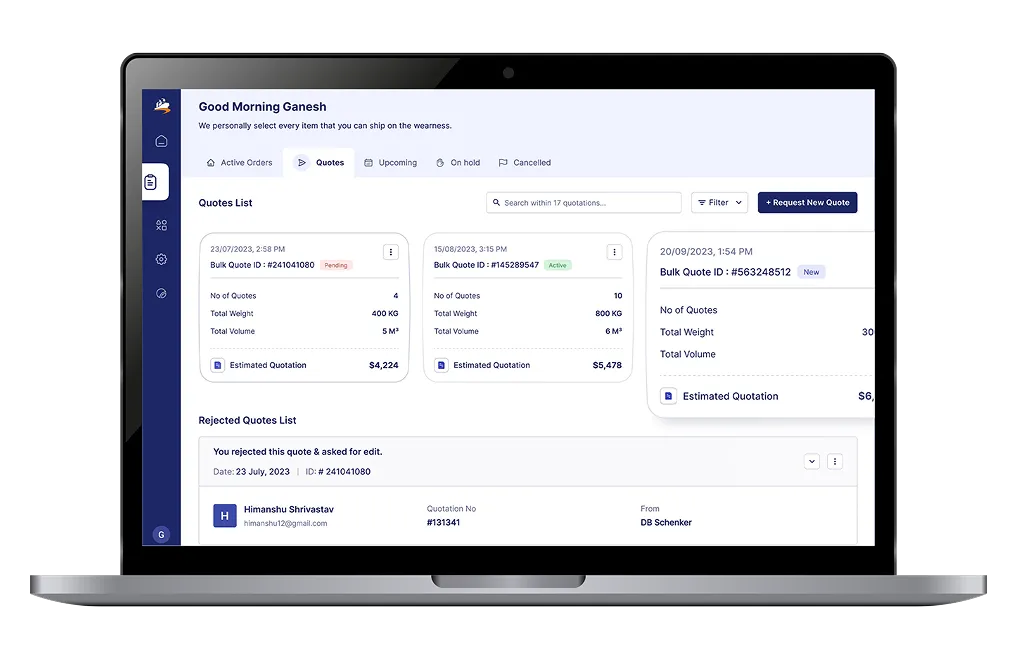
We develop real estate SaaS platforms that streamline property management, transactions, and client interactions.
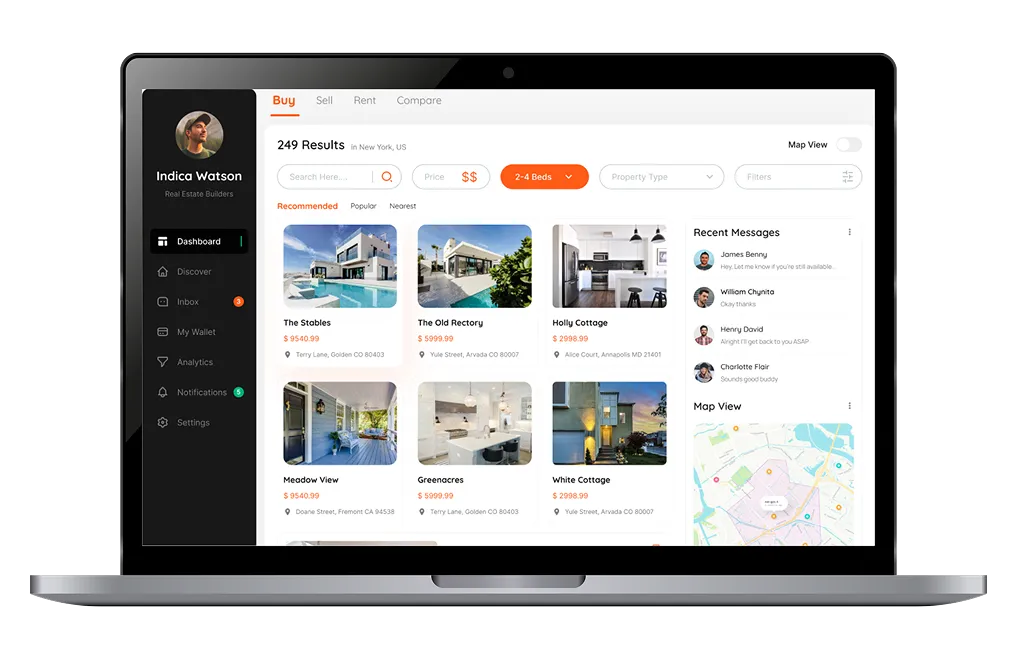
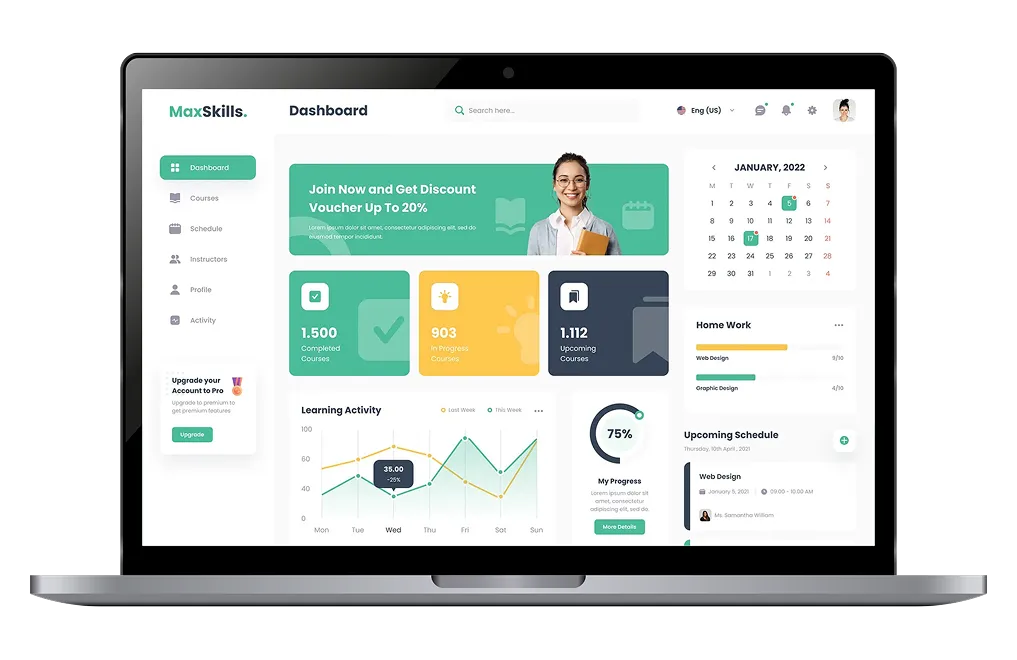
We create edtech SaaS solutions that support scalable learning, user engagement, and content delivery.
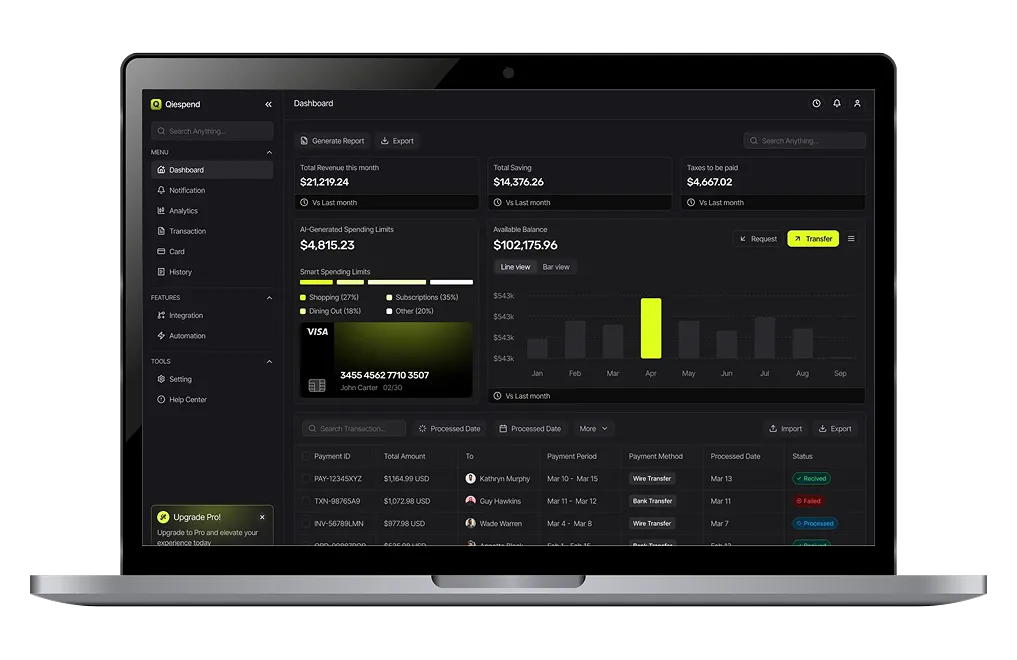
We develop fintech SaaS platforms focused on secure transactions, compliance, and financial data processing.
We build e-commerce SaaS platforms that support product management, transactions, and customer experience.
We create travel SaaS platforms that manage bookings, pricing, and user experience across channels.

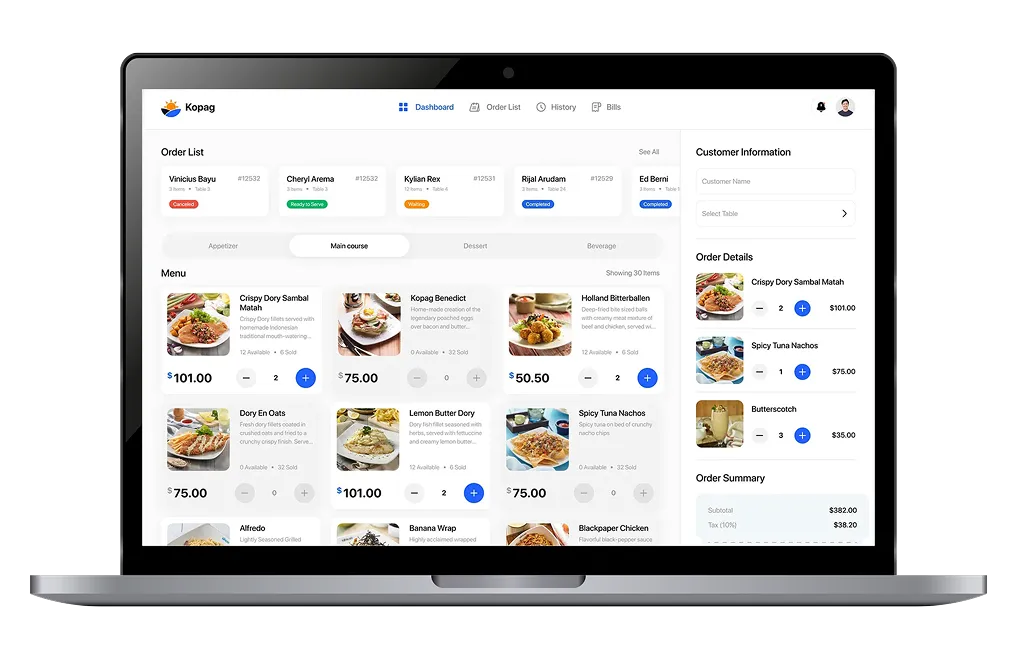
We develop restaurant SaaS systems that improve operations, ordering, and customer engagement.

We build sports SaaS platforms that support performance tracking, fan engagement, and team management.

We create automotive SaaS solutions that support operations, tracking, and connected systems.

| Feature | Technical Approach | Benefit |
|---|---|---|
| Elastic Resource Allocation | Use auto-scaling with AWS to adjust resources based on load. | Optimizes resource use while maintaining performance. |
| CI/CD Pipelines | Implement automated CI/CD for quick, reliable updates and patching. | Accelerates deployments with minimal downtime. |
| Data Management & Replication | Use distributed databases with real-time replication to maintain data consistency. | Ensures data integrity and high availability. |
| Cross-Platform Accessibility | Enable access via RESTful APIs and OAuth across devices. | Provides secure, flexible access anywhere. |
| End-to-End Security | Implement AES encryption, SSL/TLS, and RBAC for secure data access. | Safeguards data privacy and meets compliance. |
| Seamless Integration | Build API-first and event-driven systems for smooth third-party integrations. | Streamlines data exchange and ensures flexibility. |
Our SaaS software development services focus on the points where SaaS products usually fail in production, from concurrent usage to unstable integrations and release complexity.

01
We get our engineers involved with your product's architecture and workflows from day one, eliminating delays and preventing misalignment as development progresses.

02
We build MVPs on strong foundations with microservices to allow easy feature additions without the need for major changes or rework.

03
We implement strategies like task queues and scalable infrastructure to handle large numbers of users and background processes smoothly.

04
We use canary releases and blue-green deployments to roll out updates without disrupting existing services or user experience.

05
We design integrations with fallback mechanisms and retry systems to avoid failures when external services go down.

06
We build systems with modular code and clear ownership to allow your team to manage and extend features without constant external support.
The cost of building a SaaS product depends on feature scope, system complexity, integrations, and the level of scalability required. As a SaaS development company, we structure costs based on product stage and long-term viability, not just initial delivery.
| Stage | What It Includes | Estimated Cost |
|---|---|---|
| Prototype / Validation | Clickable prototype, core workflows, early validation of product concept | $20,000 – $50,000 |
| MVP Development | Core features, user authentication, basic integrations, production-ready foundation | $60,000 – $120,000 |
| Full-Scale SaaS Product | Advanced features, integrations, multi-user architecture, performance optimization | $120,000 – $250,000+ |
Get a SaaS product built for reliability, integrations, and long-term stability.
Our SaaS development services are structured to match product stage, team maturity, and delivery requirements. Each model is designed to balance speed, control, and cost based on how your product evolves.
| Engagement Model | Best For | How It Works | Pricing Range | Timeline |
|---|---|---|---|---|
| Fixed Scope (MVP) | Validating a product idea with defined features | Pre-defined scope, milestones, and deliverables with controlled execution | $60,000 – $120,000 | 3 – 6 months |
| Dedicated Development Team | Building or scaling a SaaS product long-term | Full-time engineers integrated into your workflows and product roadmap | $8,000 – $15,000 developer / month | 3+ months ongoing |
| Staff Augmentation | Extending your internal team with specific skills | On-demand engineers aligned with your tools, processes, and delivery cycles | $35 – $80 / hour | Flexible, as needed |
Your SaaS deserves a foundation that’s scalable, secure, and built for tomorrow. Let’s build something that moves fast, performs flawlessly, and redefines the future of your industry.
Ideas, strategies, and real-world lessons behind building successful SaaS products.
Custom Software, SaaS
Best SaaS Ideas in 2026: 25 Micro SaaS & B2B Opportunities That Actually Make Money
April 5, 2026


Custom Software, SaaS
What is SaaS Integration? How It Works, Platforms, Use Cases, and Costs (2026 Guide)
April 3, 2026

AppVerticals has developed 2000+ apps and digital products. Our experts are ready to help you build something amazing.
Submit your details, and our team will reach out to explore how we can bring your idea to life.




1000+ brands trust AppVerticals to create high-performing digital solutions.

Founder, Real Estate Agency
They delivered a top-tier solution that’s fast, user-friendly, and packed with features tailored to the real estate industry. The team was professional, detail-oriented, and easy to work with from start to finish.

CEO, Logistics SaaS Startup
The app came together exactly how we hoped. If you're looking for a team that knows what they’re doing and respects your time, they’re a solid choice.

Head of Marketing, Al Rostamani Group
Successfully delivered the project on time and within budget. They remained flexible and cooperative with backend content organization, and their support, company culture, and client-centric approach truly stood out.








Share a few details and get a clear timeline, cost estimate, and technical roadmap, tailored to your idea.
