About Us

About Us
We’re a future-focused tech partner working with some of the world’s top enterprises. At AppVerticals, we design solutions that drive growth and reimagine digital experiences.
Services
Software Development
Mobile App Development
Web Design & Development
Tell us what you're looking for, and we'll tailor a solution based on your business needs.
Talk to Experts
Health Tech

EdTech

Logistics

Real Estate

Ecommerce

Sports

Fintech

Travel

Restaurant

Automotive
HIPAA-compliant digital solutions for hospitals, clinics, and healthtech startups driving better patient outcomes.
What we do:
Scalable learning platforms for schools, universities, and EdTech startups transforming education delivery.
What we do:
Real-time tracking and automation solutions for freight companies, warehouses, and delivery services.
What we do:
PropTech platforms for brokerages, property managers, and real estate marketplaces are streamlining operations.
What we do:
High-converting commerce platforms for D2C brands, retailers, and online marketplaces are driving revenue growth.
What we do:
Fan engagement platforms for sports teams, leagues, and betting operators are creating immersive experiences.
What we do:
PCI-DSS compliant solutions for digital banks, payment platforms, and InsurTech companies, ensuring security.
What we do:
Booking and hospitality solutions for OTAs, hotels, and tourism platforms, enhancing traveler experiences.
What we do:
Online ordering and operations software for restaurants, cloud kitchens, and food delivery platforms.
What we do:
Connected vehicle platforms for automotive OEMs, dealerships, and mobility providers are accelerating innovation.
What we do:
Portfolio
AppVerticals was featured in Inc. 5000 as
America’s Fastest Growing Tech Company
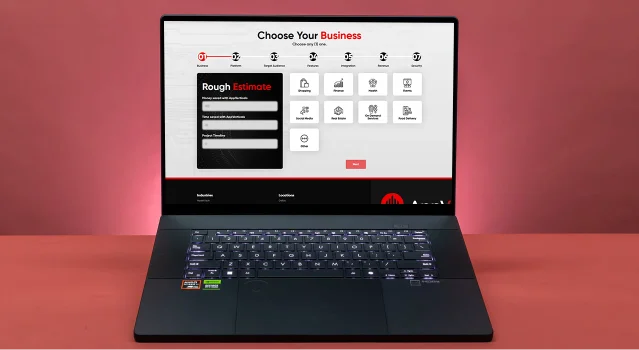
See what it might cost to bring your app idea to life. Our calculator gives you a quick, simple estimate based on what you need.


 verified expert
Senior Content Writer — Mobile & Software Development, AI
Zainab helps tech brands sound more human. She takes app ideas, features, and updates and turns them into content people actually want to read. Whether it’s for a launch, a campaign, or just making things...
See Full Bio22 minutes read
Late launches, budget overruns, rewrites, security surprises, and months of product churn rarely come from bad engineers. They come from a poorly structured development life cycle; where decisions are made without requirements traceability, quality gates, or release management discipline.
The software development life cycle isn’t a checklist you hand to a project manager; it’s the operating architecture that determines how your organization converts ideas into reliable software, repeatably, with measurable quality.
In this guide, we’ll break down what SDLC is, why it matters to you, and how you can streamline your process for better outcomes.
While models (like Waterfall or Agile) vary, the standard SDLC includes these phases:
Planning: Setting scope, resources, and feasibility analysis to define project goals.
Requirements Analysis: Gathering and documenting business and technical requirements (e.g., SRS).
System Design: Planning the software architecture, tech stack, and user interfaces.
Development: Writing code based on design specifications and requirements.
Testing: QA testing for bugs, performance, and security vulnerabilities.
Deployment: Launching the software into the production environment.
Maintenance: Ongoing support, updates, and fixes to keep the system running smoothly.
Predictable Outcomes: Provides a structured process for consistent, repeatable results.
Quality Assurance: Ensures measurable software quality with clear metrics and testing.
Cost & Risk Management: Controls costs and mitigates risks by addressing defects early in the lifecycle.
DevOps: Accelerates SDLC through continuous integration and deployment (CI/CD), enhancing speed and reliability.
DevSecOps: Integrates security into each phase, from planning to release, to minimize risks and retrofitting costs.
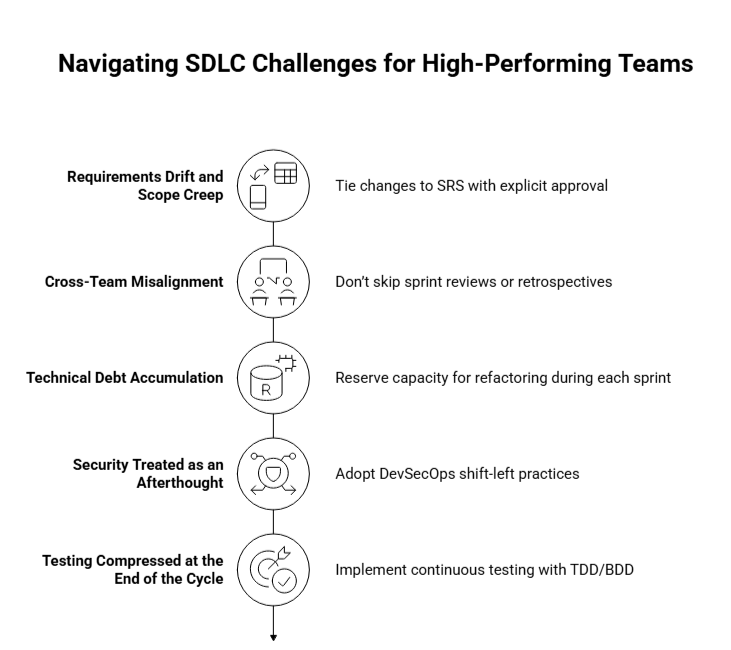
Scope Creep: Manage requirements rigorously with documented approvals and change control processes.
Cross-Team Misalignment: Ensure consistent communication through sprint reviews and cross-functional meetings.
Technical Debt: Allocate regular time for refactoring and ensure technical debt is addressed in every sprint.
Security Oversight: Implement DevSecOps practices to catch vulnerabilities early and avoid late-stage retrofitting.
Compressed Testing: Integrate continuous testing and regression coverage throughout the development cycle.
When people ask, what is SDLC in software engineering? They’re usually looking for a simple definition. But the real question is: how does SDLC impact your business and project success?
In simple terms, SDLC (Software Development Lifecycle) is a structured process that engineering teams follow to plan, build, test, and release software. But it’s more than just a checklist—SDLC is the framework that transforms your product strategy into engineering execution, ensuring that delivery is predictable and quality is measurable. For businesses working with a custom software development company, this process ensures that projects are executed on time, meet stakeholder expectations, and align with long-term goals.
Some of the key benefits of a solid SDLC includes:
Without an explicit SDLC process, teams decide by accident: scope changes happen verbally, testing gets compressed to the end, incidents don’t produce meaningful post-mortems, and technical debt amortization never shows up on a roadmap.
The result is predictable: rework rises, regression test coverage stays low, and delivery becomes a series of high-stress launches instead of iterative delivery. The economic reason is simple: the later you discover defects, the more expensive and risky remediation becomes.
A widely cited finding from the IBM Systems Sciences Institute, referenced in industry analyses, shows that the cost to fix a defect later in the lifecycle can be multiple times higher than fixing it earlier, e.g.: defects found during implementation can cost up to 6× more to resolve than those found in design.
This makes SDLC a leadership-level risk and cost-control system, not just a developer preference. Without structure, the long-term financial impact can be significant, amplifying both operational risk and overall software development cost estimation.
Let’s take a quick look at how the 7-stage software development life cycle looks like:

| Phase | Primary Output | Executive to Watch |
|---|---|---|
| 1. Planning | Feasibility + scope boundaries | Unfunded “nice-to-haves” become commitments |
| 2. Requirements | SRS/backlog + acceptance criteria | Under-specified requirements drive scope creep |
| 3. System Design | Architecture + API/data contracts | Bad early decisions lead to expensive rewrites |
| 4. Development | Working increments of software | Velocity without quality creates downstream drag |
| 5. Testing | Verified release candidate | Testing late = production defects + churn |
| 6. Deployment | Released software + rollout plan | Releases are operational events, not just button clicks |
| 7. Maintenance | Fixes, upgrades, observability learnings | SaaS maintenance never ends—feeds into planning |
In the Planning phase, key decisions are made about the project’s scope, timeline, and resources. This is where feasibility is assessed, and scope boundaries are defined. What gets decided here will directly affect every downstream cost and potential delays, so it’s critical to get this phase right.
The Requirements Analysis phase is all about clearly defining the software’s features, functions, and performance criteria. This is where you create your Software Requirements Specification (SRS) document, which is crucial for high-stakes projects. A common pitfall here is under-specified requirements, which can lead to scope creep later in the project, fix it now, not in sprint 9.
During the System Design phase, the architecture decisions are made, think tech stack, database schema, and API contracts. You also need to plan for third-party integrations and any constraints. The decisions made here are often difficult to reverse, so locking them in early is essential to avoid costly rewrites down the road.
The Development phase is where the actual software takes shape, usually in sprints or through sequential builds. Agile teams typically cycle between development and testing continuously, so this phase isn’t “one and done.” It’s important to balance velocity with quality to avoid building up technical debt that will drag the project later.
In the Testing phase, various types of tests are run, unit tests, regression tests, User Acceptance Testing (UAT), and QA automation. By shifting testing left in the lifecycle (i.e., testing earlier), you can catch defects before the release pressure distorts decision-making, reducing post-release issues significantly.
The Deployment phase involves releasing the software into production. Tools like CI/CD pipelines and staged rollouts are critical here to ensure smooth deployments. Blue-green deployments can also help reduce risks, allowing you to quickly roll back if something goes wrong.
Once the software is live, the Maintenance phase kicks in. This includes fixing bugs, tuning performance, and adding new features based on user feedback. It’s important to manage technical debt and conduct incident post-mortems regularly to improve future releases. In SaaS development projects, maintenance is an ongoing process that feeds directly back into planning for the next iteration.
While the 7-stage model is the most common, some frameworks condense Planning + Requirements and Design + Implementation into 5 stages. The phases remain the same; it’s just the labeling that differs depending on the model you’re using.
Ready to streamline your development process? Let us help you implement a tailored Agile SDLC strategy that drives faster, more reliable software delivery.
Here’s a quick overview of how you can choose the right SDLC model before we dive into details:

What it is: A linear, phase-gated delivery model, often tracked with Gantt charts.
Best for: Fixed-scope projects in regulated industries like healthcare, finance, or government contracts, where requirements must be locked and thoroughly documented.
Pros:
Cons:
What it is: Iterative delivery in short cycles (typically 2–4 week sprints), using practices like standups, sprint reviews, and retrospectives.
Best for: SaaS, evolving products, and anything driven by user feedback.
Pros:
Cons:
What it is: Iterations that explicitly include risk analysis each cycle.
Best for: High-risk, complex platforms like aerospace, defense, or intricate fintech systems.
Pros:
Cons:
What it is: Delivery occurs in versions, with each increment improving the software’s capability over time.
Best for: Mid-complexity products where you need both structure and flexibility.
Pros:
Cons:
What it is: Extends Agile into continuous delivery, where development and operations teams work as one unified delivery system.
Best for: Cloud-native environments and high-velocity teams where frequent deployments give a competitive advantage.
Key Point: DevOps doesn’t replace the SDLC, it accelerates deployment and maintenance through automation, continuous integration, and observability.
Scaling SDLC isn’t about introducing unnecessary bureaucracy, it’s about implementing the right governance and processes to reduce risk without stifling the agility that makes your product development successful. As your SaaS product matures, your SDLC needs to evolve to accommodate the growing complexity, but it should still maintain the flexibility that makes it effective.

In the early stages, your SDLC should focus on speed and iterative delivery with minimal overhead. The goal is to get your MVP (Minimum Viable Product) out quickly while laying a solid foundation for scaling later.
As your SaaS product scales, SDLC must adapt to handle larger teams, more complex requirements, and stricter compliance standards. At this stage, the focus shifts towards governance, reliability, and change management.
What scales:
What shouldn’t?
Whether you’re in the early stages or scaling up, AppVerticals can help you build a reliable, scalable solution using the best Agile practices.
SDLC defines what needs to be built, but DevOps and DevSecOps determine how fast and how safely that work gets done. Meanwhile, Cloud Architecture reshapes the entire design and deployment process, creating new challenges and opportunities for SDLC.

At its core, DevOps focuses on accelerating the software development lifecycle by breaking down silos between development and operations. This is where Continuous Integration/Continuous Deployment (CI/CD) comes into play. CI/CD automates the entire process of building, testing, and deploying software, removing manual friction and enabling frequent, safer releases.
Traditionally, security was seen as a late-stage concern, often handled as a final audit before launch. However, DevSecOps integrates security into every phase of the SDLC, ensuring that security is part of the development process from Day 1.
Veracode frames the idea of shifting left in security as integrating security early to minimize rework and reduce risk. This can be practically achieved through integrations like SAST/DAST and CI/CD hooks.
As software moves to the cloud, SDLC must evolve to accommodate new infrastructure paradigms. The cloud reshapes the SDLC by turning infrastructure itself into software:
The cloud doesn’t simplify SDLC, it reshapes it, especially in terms of design, deployment, and maintenance. It requires new tools, new approaches, and an evolution in how SDLC is executed.
When decision-makers ask about the timeline and cost of the Software Development Lifecycle (SDLC), they’re usually trying to determine key aspects like hiring plans, runway, and ROI. The honest answer? It all depends on factors like scope, compliance requirements, integrations, and the cost of change you’re willing to tolerate.
The following timelines provide a pragmatic range for initial planning. These estimates should be refined after a proper discovery phase, which helps clarify requirements and expectations.
| Project Type | Typical Timeline | Notes / Source |
|---|---|---|
| Startup MVP / Prototype | 2–4 months | According to AgileEngine, most MVPs land in this range. |
| Startup MVP Cost | $24,000–$60,000 (basic) | AgileEngine’s range for a basic MVP. |
| Custom Software (Typical) | $100,000–$400,000+ | Based on SOLTECH’s experience. |
Several factors can significantly impact the overall cost of your software development project. Here’s what to watch out for:
You don’t always start SDLC from scratch often, you’ll re-enter the lifecycle through modernization or opt for a third-party solution. Here’s a breakdown of when to choose each option and the risks involved.
| Option | When It Wins | SDLC Re-entry Point | Risk Notes |
|---|---|---|---|
| Build (Greenfield) | Differentiation + long runway | Phase 1–3 (planning/design) | Highest upfront cost, cleanest architecture |
| Modernize (Replatform/Refactor) | Core logic is valuable, architecture is aging | Phase 3–7 loop | Watch for technical debt accumulation; manage changes carefully |
| Buy (SaaS/Vendor) | Capability is non-core | Phase 1 (requirements/vendor selection) | Vendor lock-in and compliance due diligence |
Every project faces challenges, but high-performing teams are proactive in recognizing and solving common SDLC pain points. Here’s your leadership checklist to tackle these predictable failure modes:
If you’re tired of delays and inefficiency, it’s time to shift to a more agile approach. Discover how AppVerticals can help accelerate your product development.
Confusion often arises from overlapping terminology, especially when discussing SDLC, ALM, and Systems Development Lifecycle.
Let’s look at a quick breakdown before we go into details:
| Framework | Scope | Primary Focus | Typically Used By |
|---|---|---|---|
| SDLC | Software only | Building quality software efficiently | Development teams, CTOs |
| Systems Development Lifecycle | Software + hardware + infrastructure | Full system creation | IT architects, enterprise operations |
| ALM | Business → retirement | Governance, portfolio management, compliance | PMOs, enterprise leadership |
SDLC (Software Development Lifecycle) is software-focused, specifically aimed at the planning, design, development, testing, and deployment of software applications.
Systems Development Lifecycle (SDLC), on the other hand, is broader and encompasses not just software but also hardware, infrastructure, and network systems. In this context, SDLC is often a subset of the broader Systems Development Lifecycle.
Quick Key Difference:
Application Lifecycle Management (ALM) extends far beyond the execution of engineering tasks and covers a broader spectrum, including governance, compliance, and portfolio management. ALM manages the entire application lifecycle, from initial planning to retirement, providing a more holistic view of the software’s journey.
Quick Key Difference:
The Software Development Lifecycle (SDLC) isn’t about rigid methodology or dogma; it’s about disciplined decision-making. It’s about how you approach key areas like requirements clarity, architecture choices, testing strategy, release management, and, crucially, how you manage and control change throughout the process.
If your organization is facing late shipments or budget overruns, the solution often isn’t “work harder” or “hire more people.” Instead, it’s time to audit the SDLC you’re running, often a hybrid model that evolved over time without clear alignment. Once you identify your real SDLC and align it with your risk profile, compliance needs, speed targets, and the cost of late-stage defects, you’ll find that your SDLC can become a true competitive advantage.
At AppVerticals, we specialize in building software solutions using an Agile SDLC, ensuring that your project stays on track with clear, iterative progress and high-quality outputs. Start by understanding the decisions behind your SDLC, and with the right partner, it will evolve from just another process document into a powerful tool that drives your team’s success.
Requirements Analysis: Gathering and documenting business needs.
System Design: Creating software architecture and design.
Development: Writing the code based on the design.
Testing: Ensuring functionality and quality through testing.
Deployment: Releasing the software to production.
Maintenance: Ongoing support and updates.
verified expert
Zainab helps tech brands sound more human. She takes app ideas, features, and updates and turns them into content people actually want to read. Whether it’s for a launch, a campaign, or just making things clearer, she’s all about simple words put together to form stories that stick.
 We’re AppVerticals
AppVerticals is where innovative startups and Fortune 500s come for transformation.
View About Us Custom Software
The manufacturing industry is at a crossroad. Manufacturers are under constant pressure of cutting-down costs and improving supply chain resiliency wi...

26 min read
 Custom Software
Dubai isn’t just keeping up with global tech trends. It’s setting them. With ambitious goals for digital transformation and a thriving tech ecosystem,...

15 min read
 Custom Software
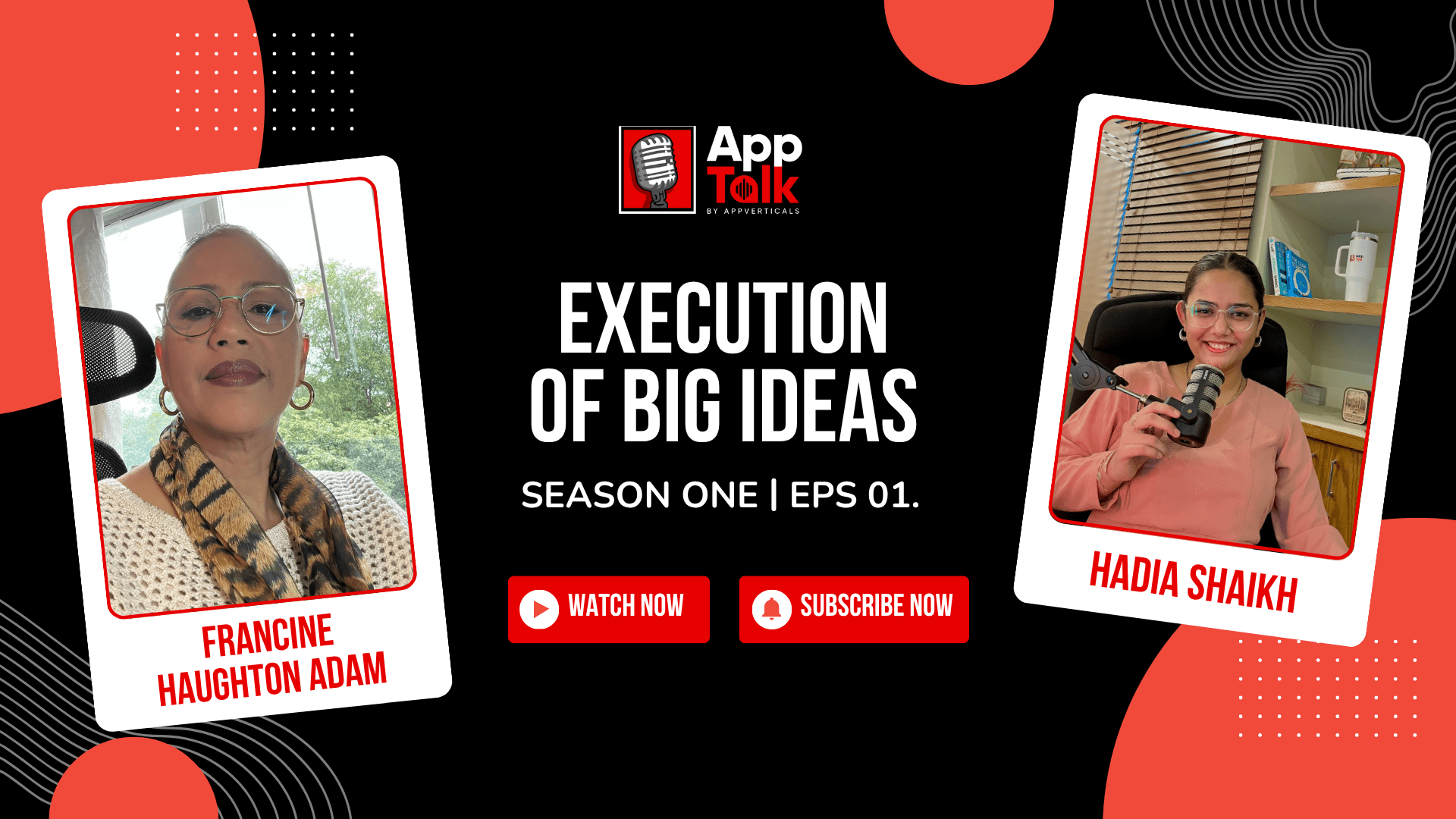
Sometimes, the most ambitious ideas don’t start in boardrooms. They start with legacy. For Francine Haughton Adam, RxPak wasn’t just an app—it was the...

4 min read
Discover how our team can help you transform your ideas into powerful Tech experiences.
AppVerticals © 2026 | All Rights Reserved

Get In Touch.







 ChatGPT
 Perplexity
 Google AI