About Us

About Us
We’re a future-focused tech partner working with some of the world’s top enterprises. At AppVerticals, we design solutions that drive growth and reimagine digital experiences.

Services
Software Development
Mobile App Development
Web Design & Development
Tell us what you're looking for, and we'll tailor a solution based on your business needs.
Talk to Experts
Health Tech

EdTech

Logistics

Real Estate

Ecommerce

Sports

Fintech

Travel

Restaurant

Automotive
HIPAA-compliant digital solutions for hospitals, clinics, and healthtech startups driving better patient outcomes.
What we do:
Scalable learning platforms for schools, universities, and EdTech startups transforming education delivery.
What we do:
Real-time tracking and automation solutions for freight companies, warehouses, and delivery services.
What we do:
PropTech platforms for brokerages, property managers, and real estate marketplaces are streamlining operations.
What we do:
High-converting commerce platforms for D2C brands, retailers, and online marketplaces are driving revenue growth.
What we do:
Fan engagement platforms for sports teams, leagues, and betting operators are creating immersive experiences.
What we do:
PCI-DSS compliant solutions for digital banks, payment platforms, and InsurTech companies, ensuring security.
What we do:
Booking and hospitality solutions for OTAs, hotels, and tourism platforms, enhancing traveler experiences.
What we do:
Online ordering and operations software for restaurants, cloud kitchens, and food delivery platforms.
What we do:
Connected vehicle platforms for automotive OEMs, dealerships, and mobility providers are accelerating innovation.
What we do:
Portfolio
AppVerticals was featured in Inc. 5000 as
America’s Fastest Growing Tech Company
See what it might cost to bring your app idea to life. Our calculator gives you a quick, simple estimate based on what you need.

Let’s start with an uncomfortable truth. Technology rarely fails. Leadership does.
The system works. The platform integrates. The data migrates. The dashboards glow beautifully in shades of optimism. And yet, adoption limps. Workarounds multiply. Shadow IT is reborn in spreadsheets. People nod in meetings and quietly carry on as before.
Why? Because digital transformation is not a technology problem. It is a leadership alignment problem wearing a technology badge.
Signing a contract is not transformation. Neither is announcing it at a town hall with the words “game-changing” and “industry-leading” sprinkled liberally across the slides. Alignment begins when leaders understand that:
A common pattern emerges when leadership says, “This is critical to our future,” then hands it to a programme team and disappears until go-live. Digital transformation requires leaders to:

Most digital programme fail at this point. Leaders talk about:
You cannot install a new operating model if the old behaviors are still being promoted.
Alignment means defining, explicitly:
Here is another awkward truth. Many senior leaders are not digitally confident. They will not say that out loud. They will nod. They will say “yes, absolutely”. They will then avoid using the system in public. Alignment requires:
Technology change creates tension between:

Most dashboards track:
If we strip away the buzzwords, aligning leadership with technology change comes down to five brutally simple questions:
Digital transformation is often sold as a technology journey. In reality, it is a leadership maturity test. You can buy the best system in the market. But if leaders are not aligned, accountable, and visibly evolving, the organization will politely applaud the launch… and quietly resist the reality. And no amount of software updates will fix that. Because in the end, technology changes systems. Leadership changes behavior. And behavior is where transformation either lives… or quietly dies.

 verified expert
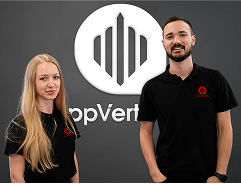 We’re AppVerticals
AppVerticals is where innovative startups and Fortune 500s come for transformation.
View About Us AI
AI
Sports have always been about skill, strategy, and passion, but in 2025, it’s also about data and intelligence. From real-time performance tracking to...

16 min read
 AI
AI
Android System Intelligence might not be the most talked-about feature on your phone, but its impact is undeniable. Quietly working in the background,...
12 min read
 AI
AI
Self-driving cars, which were once just a dream, are now becoming a reality. Big car companies and tech companies are working hard to make these cars...
13 min read
Discover how our team can help you transform your ideas into powerful Tech experiences.
AppVerticals © 2026 | All Rights Reserved

Get In Touch.














 ChatGPT
 Perplexity
 Google AI